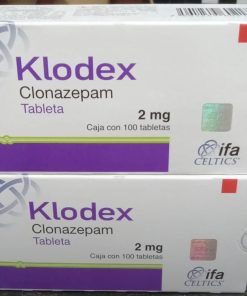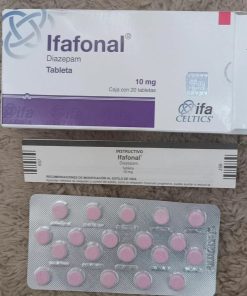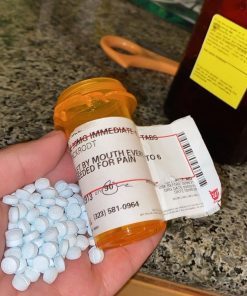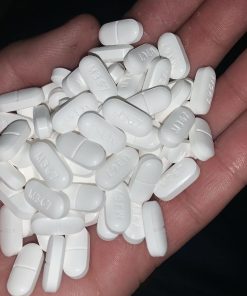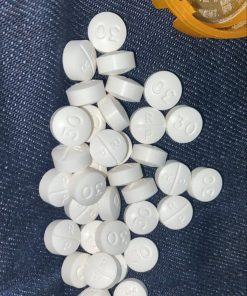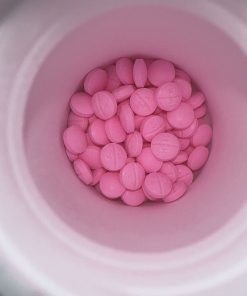
Pharmaceuticals are substances developed, tested, and manufactured to diagnose, treat, manage, or prevent disease. They include prescription medicines, over-the-counter drugs, vaccines, and certain biologics. Pharmaceutical products play a central role in modern healthcare and operate within tightly regulated systems designed to ensure safety, quality, and effectiveness.
Pharmaceutical development follows a structured scientific process. Researchers first identify a target in the body, such as a receptor, enzyme, or pathogen. They then design or discover compounds that can interact with that target. Before approval, a drug must undergo laboratory testing, clinical trials, and regulatory review. These steps help confirm how the drug works, how the body processes it, and what side effects may occur.
From a regulatory perspective, pharmaceuticals differ from unregulated substances because authorities require strict manufacturing standards. Agencies such as health ministries and drug regulators enforce rules on purity, dosage accuracy, labeling, and distribution. These controls reduce variability and allow healthcare professionals to prescribe medications with predictable outcomes.
Pharmaceuticals act on the body in specific and measurable ways. Some relieve pain, others fight infection, regulate hormones, or manage chronic conditions like diabetes or heart disease. When used as directed, many pharmaceutical drugs provide significant health benefits. However, misuse or unsupervised use can still lead to side effects, interactions, or dependence, which is why medical guidance remains essential.
Public discussion around pharmaceuticals often includes both benefits and risks. While modern medicines have improved life expectancy and quality of life, concerns exist around overprescription, side effects, and access. Ongoing research, post-market monitoring, and updated clinical guidelines aim to improve patient safety and treatment outcomes over time.
Legally, pharmaceuticals are controlled products. Laws govern who can manufacture them, who can prescribe them, and how they are sold. Prescription-only medications require authorization from a licensed healthcare provider, while over-the-counter drugs meet additional safety criteria that allow public access without a prescription.
In summary, pharmaceuticals represent a cornerstone of contemporary medicine, built on research, regulation, and clinical use. Clear educational content, such as that published on https://k2herbalhighs.com/, helps readers understand pharmaceuticals as a category, including how they differ from unregulated substances, how they function in the body, and why oversight and accuracy matter for public health.