


Introduction
“Liquid K2” is a colloquial term used to describe liquid formulations containing synthetic cannabinoids. These products are often marketed as incense, aroma liquids, or novelty items and labeled “not for human consumption.” The term does not refer to a single chemical compound; instead, it describes a product category.
Synthetic cannabinoids are laboratory-created substances designed to interact with the body’s endocannabinoid system. Over the past decade, public health agencies across Europe have reported significant medical incidents associated with these compounds.
This article provides an educational overview of the chemistry, pharmacology, toxicology, and legal framework surrounding liquid synthetic cannabinoid products.
What Are Synthetic Cannabinoids?
Synthetic cannabinoids are compounds engineered to bind to cannabinoid receptors:
-
CB1 receptors (central nervous system)
-
CB2 receptors (immune and peripheral tissues)
Unlike Δ9-THC (the primary psychoactive component in cannabis), many synthetic cannabinoids act as full CB1 receptor agonists, meaning they can activate the receptor more strongly and more completely. This often results in:
-
Higher potency
-
Greater physiological impact
-
Less predictable effects
Common structural classes include indazole-based and indole-based cannabinoids.
Why Liquid Formulations Increase Risk
Liquid formulations introduce additional variables:
-
Concentration variability
-
Uneven application if sprayed onto materials
-
Rapid absorption when vaporized
-
Difficulty in verifying chemical identity
Forensic toxicology reports have repeatedly shown that products labeled under one name may contain entirely different synthetic cannabinoid compounds than expected.
Documented Health Risks
European monitoring agencies and emergency departments have reported complications including:
-
Severe agitation
-
Paranoia or psychosis
-
Tachycardia (elevated heart rate)
-
Hypertension
-
Seizures
-
Acute kidney injury
-
Cardiac arrhythmias
Some outbreaks have resulted in clusters of hospitalizations linked to high-potency synthetic cannabinoids.
Compared to natural cannabis, synthetic cannabinoids are consistently associated with a higher rate of emergency medical presentations.
Legal Status in Europe
Most European countries have enacted broad legislation covering synthetic cannabinoids.
-
United Kingdom: Controlled under the Psychoactive Substances Act and Misuse of Drugs Act
-
Germany: Regulated under the Neue-psychoaktive-Stoffe-Gesetz (NpSG)
-
Italy: Covered by national narcotics law
Many laws now regulate entire structural families rather than individual molecules. Legal status depends on chemical composition, not branding terms such as “K2.”
Possession, production, or distribution may carry severe criminal penalties.
Regulatory and Consumer Considerations
Key points:
-
“Liquid K2” is a marketing label, not a chemical name.
-
Composition can change frequently.
-
Potency may vary significantly between batches.
-
Independent laboratory testing is required to confirm identity.
Because formulation details are often undisclosed, risk assessment without chemical analysis is unreliable.
Frequently Asked Questions
Is Liquid K2 the same as cannabis?
No. It contains synthetic compounds that may bind more strongly to cannabinoid receptors than plant-derived THC.
Why are synthetic cannabinoids considered dangerous?
Many are full CB1 agonists with high potency and unpredictable physiological effects.
Is Liquid K2 legal in Europe?
Most synthetic cannabinoids are controlled under broad drug legislation.
Are ingredients standardized?
No. Composition may vary significantly.
Is there approved medical use?
No synthetic cannabinoid products sold as incense or liquid formulations have approved therapeutic status.
Be the first to review “1 Gallon Liquid k2”
Related products
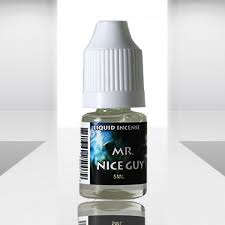
K2 Liquid Spray
K2 Liquid Spray
K2 Liquid Spray
K2 Liquid Spray
K2 Liquid Spray

K2 Liquid Spray
K2 Liquid Spray

K2 Liquid Spray
Reviews
There are no reviews yet.