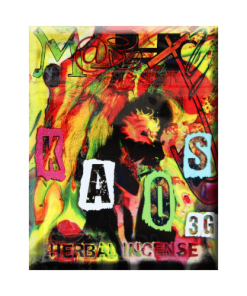


What Is “Joker K2 Paper”? Chemistry, Risks & Legal Status in Europe
“Joker K2 Paper” is a branding term commonly used to describe paper substrates allegedly treated with synthetic cannabinoids. The name does not refer to a specific chemical compound. Instead, it represents a product category in which laboratory-created cannabinoid receptor agonists are dissolved in a solvent and applied to paper material.
Such products have appeared in forensic investigations across Europe and North America and are often associated with attempts to circumvent drug regulations.
This article provides an educational, non-promotional overview of the chemistry, health risks, and regulatory framework surrounding synthetic cannabinoid–treated paper products.
What Are Synthetic Cannabinoids?
Synthetic cannabinoids are laboratory-engineered compounds designed to bind to cannabinoid receptors in the human body:
-
CB1 receptors (central nervous system)
-
CB2 receptors (immune and peripheral tissues)
Unlike Δ9-THC from natural cannabis, many synthetic cannabinoids act as full agonists at CB1 receptors, meaning they can activate the receptor more strongly. This can result in:
-
Increased potency
-
Stronger physiological responses
-
Greater unpredictability
Common structural classes include indazole-based, indole-based, and carboxamide cannabinoids.
Why Paper-Based Delivery Is Concerning
In forensic casework, treated paper has been identified as a delivery medium because:
-
It is easy to transport and conceal
-
It can be cut into smaller portions
-
It allows uneven distribution of active compounds
Risks include:
-
Highly variable potency across the paper surface
-
Difficulty in measuring exposure
-
Rapid absorption depending on method of use
-
Unknown chemical composition
Laboratory analysis (GC-MS or LC-MS) is required to determine the actual substance present.
Documented Health Risks
European monitoring agencies have reported that synthetic cannabinoid exposure is associated with:
-
Severe agitation
-
Paranoia and hallucinations
-
Tachycardia
-
Hypertension
-
Seizures
-
Acute kidney injury
-
Psychosis
-
Cardiac arrhythmias
Compared to natural cannabis, synthetic cannabinoids are consistently linked to a higher rate of emergency department admissions.
Legal Status in Europe
Most European countries have enacted broad legislation targeting synthetic cannabinoids.
-
United Kingdom: Controlled under the Psychoactive Substances Act and Misuse of Drugs Act
-
Germany: Regulated under the Neue-psychoaktive-Stoffe-Gesetz (NpSG)
-
Italy: Covered by national narcotics law
Many legal frameworks regulate entire structural classes rather than individual molecules. Legal status depends on chemical composition — not branding terms like “Joker.”
Regulatory and Public Health Considerations
Key points:
-
“Joker K2 Paper” is a brand label, not a chemical identity.
-
Composition can change frequently.
-
Potency may vary significantly.
-
Only certified laboratory testing can confirm chemical content.
Because formulations are not standardized, health risks are difficult to predict without chemical analysis.
Frequently Asked Questions
Is K2 paper the same as cannabis?
No. It may contain synthetic cannabinoids structurally different from THC.
Why are synthetic cannabinoids considered more dangerous?
Many are full CB1 receptor agonists with higher potency and unpredictable effects.
Is it legal in Europe?
Most synthetic cannabinoids are controlled under broad drug legislation.
Are ingredients reliably disclosed?
Historically, labeling has not consistently reflected actual chemical content.
Does it have medical approval?
No treated paper products containing synthetic cannabinoids have approved therapeutic use.


Reviews
There are no reviews yet.